Front doors do more than open and shut. They manage trust. People, packages, cleaners, dog walkers, contractors, customers at a small storefront, each arrives with a different level of permission and risk. Smart locks with cameras pull that messy reality into a single interface, capturing who came, when they came, and under what conditions. The result is not just a video of a door, but an auditable timeline that helps you control access and resolve disputes fast.
I started installing connected locks a decade ago when most models felt like battery-hungry science projects. Today’s hardware is steadier, integrations are cleaner, and cloud control for cameras has matured. Still, there are choices and trade-offs that are easy to miss if you only skim spec sheets. The best systems get the context right, not just the feature checklist.
Why adding a camera to a lock changes the equation
A lock alone grants or denies entry. A camera alone records what happened. Combined, they answer the questions that actually matter when something goes wrong. Was the door fully closed after the courier left? Did the pet sitter lock up, or only think they did? Did your employee prop open the rear entrance and forget? The lock’s event log aligns with video in the same timeline, so there is far less guesswork.
I’ve seen this play out with short-term rentals where hosts used keypad codes. A guest complained that their code did not work. The log showed six failed attempts with the wrong digits, then success, then entry. The camera confirmed it was the right person. That turned a tense exchange into a courteous note with screenshots. No accusation, no refund dance, no bluffing. The merged data carries authority.
Small businesses get different benefits. Busy shops often need a side door for deliveries. With a camera on the lock, managers can grant one-time access to a driver, watch the drop, and see the door re-secure without leaving the counter. This is automation for small business security that doesn’t slow the customer line.
Anatomy of a smart lock with a camera
The modern all-in-one unit usually combines a deadbolt or latch, https://mylesmhpt713.almoheet-travel.com/best-cctv-brands-2025-for-smart-homes-integration-with-alexa-google-and-homekit an HD camera, microphone, speaker, keypad, and a wireless radio like Wi‑Fi, Thread, Z‑Wave, or Bluetooth. Some mount as a full replacement. Others retrofit the interior side of an existing lock while a separate doorbell camera watches the outside. The all-in-one route simplifies installation and gives the best angle for face capture and package views, though it slightly complicates battery management.
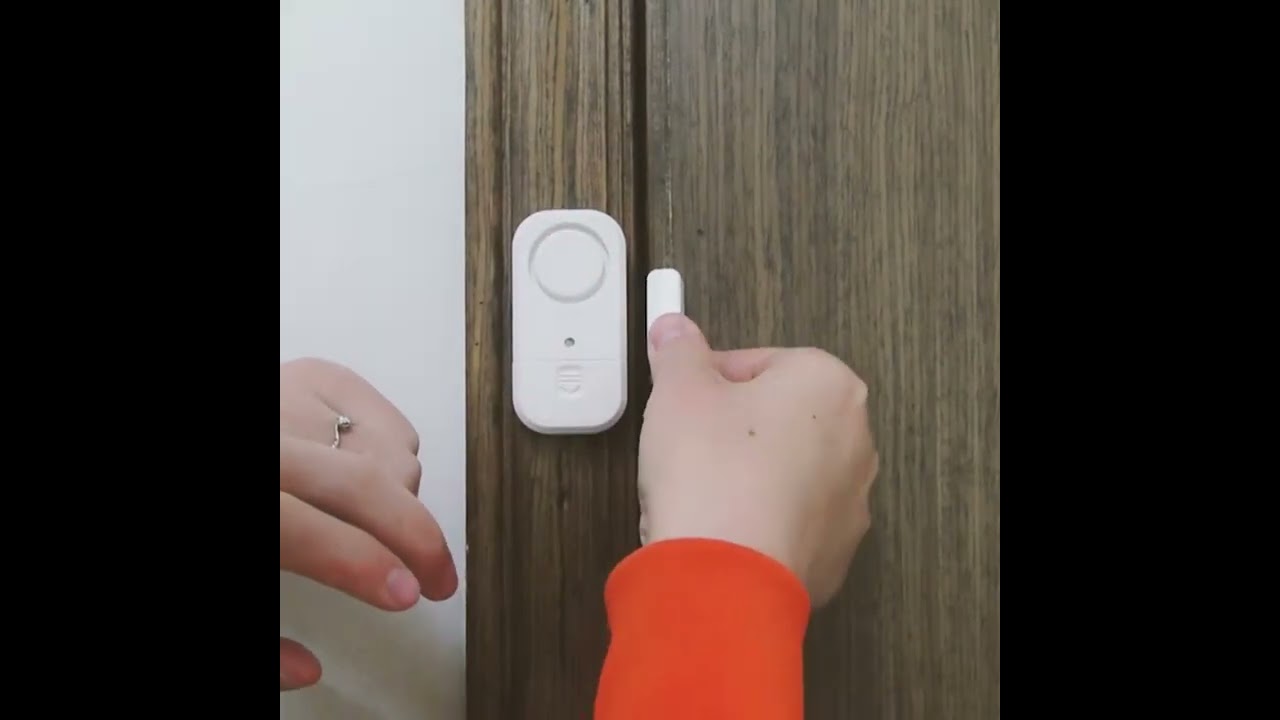
Expect a 1080p video sensor at minimum, night vision via IR, and field of view between 120 and 160 degrees. Wider is not always better, since extreme fisheye can distort faces near the lens. Two-way audio should be full duplex to avoid that walkie-talkie lag. On the lock side, look for motor strength, manual key override, and a sensible way to handle low battery. Some models give a USB-C or 9V jump port, which saves you from being locked out on a dead cell.
The radio stack matters more than marketers admit. Wi‑Fi gives direct cloud access for live view and alerts, but it draws more power. Thread and Z‑Wave balance battery life and mesh resilience, yet often need a hub or border router. If you want quick clips and voice-activated security through Alexa or Google Assistant, Wi‑Fi has fewer hoops, though Thread with Matter support is catching up.
Integration that actually simplifies your life
Smart security ecosystems only work when the pieces cooperate. The best setups tie the lock, camera, and sensors to the same automation rules and identity model. You want a single definition of who “Sam from Maintenance” is, what hours his access applies, and what devices react when he arrives.
Here is where integrating CCTV with Alexa or Google Home adds real convenience, provided you treat it as a control panel, not a security policy. Being able to say, “Alexa, show Front Door,” or “Hey Google, unlock the shop entrance,” is useful. I strongly prefer requiring a voice PIN for unlocks and limiting that voice control to specific speakers in private areas. If you have kids, guests, or thin walls, do not let an unsecured living room speaker open the door. It takes one overheard command to teach that lesson.
Cloud control for cameras is a must if you travel or manage multiple sites. You should be able to view clips, update codes, and lock doors from your phone without VPN gymnastics. Still, do not skip local failsafes. If the internet blips, the lock should continue accepting enrolled codes and phone proximity keys. And if you ever move, make sure you can do a full local reset to wipe credentials.
The role of lighting in usable evidence
Smart lighting and security belong in the same sentence. Most entry cameras rely on IR for night vision, which is fine for motion detection but often weak for identifying faces under a brim. I install a discrete, warm-white fixture on a timer or motion trigger, aimed to avoid blinding the lens. If the door recess is deep, add a low-wattage side sconce. Bright is not the goal. Even, shadow-free light is.
When lights join the automation, the workflow improves. The lock detects approach, the porch light comes up, the camera tags motion, and if the lock opens, interior entry lights can glow for a minute. Aligned cues make guests feel expected and make recordings legible. It’s one of the cheapest upgrades that dramatically improves video quality.
Where sensors add context
IoT sensors for security systems anchor your footage in physical reality. A contact sensor on the door confirms closed versus merely latched. A tilt sensor on an overhead garage gives different logic than a deadbolt. Glass-break sensors can cross-trigger a full recording session even if no motion is detected near the lock. And a floor vibration sensor can let you know if a heavy package landed after hours.
For apartments or townhomes, I like a sequence: front door contact closes, hall motion clears within two minutes, thermostat eases to away mode, and the camera goes into low-alert posture to reduce notifications. When the door opens again, the temperature returns and the camera pre-rolls a clip. Simple routines like these cut nuisance alarms while preserving a clean audit trail.
Cloud, storage, and retention realities
Video is easy to generate and hard to manage. Most camera locks offer subscription plans with 14 to 60 days of clip retention, person detection, package detection, and rich notifications. If you manage a small business, do the math. A storefront with two doors and a rear entrance might need three streams. At 20 dollars per device monthly, that adds up. Some vendors bundle multiple cameras under one plan. That is worth prioritizing over a slightly nicer user interface.
Local storage via microSD has its place, especially in spots with shaky internet. It is not a perfect archive. Cards fail, and if someone steals the unit, the evidence can go with it. A hybrid approach works well: local for immediate playback, cloud for redundancy. If your environment has compliance requirements, check for role-based access, audit logs, and the ability to export video with cryptographic hashes. The last point is rare in consumer gear, but mid-tier commercial cloud services offer it.
Voice control, but with guardrails
Voice-activated security is a double-edged convenience. I have seen offices where a receptionist used a smart display to unlock a door for deliveries while keeping her seat. It saved trips and kept the phone lines moving. The same site restricted unlocking by voice to that single display and required a spoken PIN. They also set a two-minute auto-lock to recover from human error.
At home, voice is best as a readout and camera viewer. “Is the front door locked?” and “Show driveway camera” are low-risk. Unlock by voice is acceptable in controlled spaces like a primary bedroom if you use the PIN and a short fallback timer. Do not enable voice unlock in shared areas or where a TV ad could be heard by the mic. It happens more often than you think.
Automation in surveillance that stays humane
Automation in surveillance needs a purpose beyond novelty. Good rules protect privacy and reduce fatigue. You should aim for three outcomes: capture the right moments, notify only when action is needed, and keep a fair record without creating a sense of being watched all the time.
I default to person-only alerts at the entry during daytime and broader motion alerts at night, paired with schedules that know your business hours. For family homes, I trim alerts when known phones are present and add a weekly digest view so you can skim what the system saw without living in your notifications. If the system supports it, face recognition is helpful when used narrowly, for household members who consent. It cuts down false alarms and improves clip labeling. Avoid enrolling casual visitors or service providers unless they ask for it, and offer to delete their profile later.
Security posture and real risks
Attackers rarely pick smart locks directly. They attack the weakest adjacent layer. That might be your email account used to reset app passwords, or the Wi‑Fi router with default credentials, or a smart speaker that listens too widely. Once someone impersonates you in the cloud portal, they can add users, pull video, and change access rules.
Simple practices block common routes. Use a password manager. Turn on multi-factor authentication for the lock app and your email. If the system supports hardware keys, even better, especially for a business with multiple managers. Keep firmware up to date, but schedule upgrades in off-hours so you do not lose access during a busy window. And practice a power-failure scenario. Replace batteries proactively, label the key override and store it where it can be reached in a hurry.

Choosing between ecosystems
Smart security ecosystems range from vendor-locked, plug-and-play bundles to mix-and-match setups on standards like Matter, Z‑Wave, and ONVIF for video. The all-in-one route, often tied to a single brand, is simpler to support. If you never want to debug a driver, pick a reputable vendor with a good support line and commit. If you already run a hub like Home Assistant, SmartThings, or Hubitat, you win flexibility at the cost of more tuning. Not every feature surfaces perfectly across integrations. A lock might report battery as “unknown” in one app, or a camera may lack advanced motion zones unless you open the vendor app.
Integrating CCTV with Alexa or Google Home is usually smooth for viewing and arm/disarm scenes. Deep features like access templates, schedules by user, or privacy zones still live in primary apps. Treat the voice platforms as quick controls and dashboards, not as configuration tools.
The small-business angle
Automation for small business security has a different cadence than residential use. Shops live on predictable hours and frequent staff rotations. You need fast onboarding and offboarding. Locks that allow code ranges tied to roles are helpful: employees may get weekday 7 a.m. to 7 p.m., cleaners Sunday afternoons, vendors by appointment only. The camera at the door turns disputes about delivery times into quick clip reviews.
Bandwidth constraints show up more often in older buildings. If your shop’s Wi‑Fi is uneven near the entrance, fix that before you blame the lock. A single ceiling AP near the front usually stabilizes streaming and unlock commands. For sites with two or more doors, a small PoE switch and a wired doorbell camera at the main entrance can offload video traffic while battery-powered lockcams handle the secondary doors. Keep upload budgets in mind. On a 10 Mbps upstream line, three cameras streaming at once will saturate it. Use clip-based recording and strict live-view rules during peak times.
Insurance carriers sometimes offer modest discounts if you provide verified video retention and access logs. Ask what they recognize. A letter stating 30 days of clips and unique user codes can lower premiums enough to fund your subscription.
Installation lessons that prevent headaches
Door geometry matters. If your door has a deep inset or a storm door, the camera’s view can be partially blocked. Measure before you buy. For steel doors, be careful with Wi‑Fi. The metal skin attenuates the signal, so place the router or AP closer to the hinge side if possible. For wood doors in cold climates, batteries sag in winter. Lithium cells tolerate cold better than alkalines. Some models allow a small wired power kit through the doorjamb if you crave set-and-forget reliability.
Calibrate auto-lock features with lived patterns. A 30-second auto-lock sounds safe until you carry groceries in and the deadbolt engages while the door is ajar. Set it a bit longer and lean on the contact sensor to verify that the door is closed before locking. Most platforms support that logic. It feels smarter and saves gears.
Label your door events with plain language. “Front Retail,” “Back Stock,” “Upstairs Flat.” It seems trivial until you pull a clip at 2 a.m. from your phone. Good naming and consistent timestamps reduce mistakes, especially if multiple people help manage the system.

Privacy is a design choice
An entry camera sees neighbors, delivery workers, and family. You can approach privacy as a compliance box or as a design discipline. I prefer the latter. Position the camera to capture faces near the door, not to surveil the street. Use activity zones and privacy masks so the lens ignores the sidewalk. Explain the system to frequent visitors, especially cleaners and caregivers. Offer to disable recording during their scheduled window and rely on lock logs plus motion snapshots at the start and end. Most appreciate the consideration, and you still retain proof of access without continuous video.
For rentals, post a clear note about the exterior camera and interior policy. Many jurisdictions require disclosures. Even where they do not, transparency wins goodwill and avoids conflict. The goal is to secure entryways, not to audit someone’s life.
Performance tuning that pays off
Every site behaves a little differently. Plan a week of tuning. Start with higher sensitivity to see where false positives occur. Then dial it back. IR reflections from white siding, swaying plants, or reflective glass can trigger motion. A small angle adjustment reduces noise dramatically. If your porch faces rising or setting sun, you may need a narrow exposure window or a visor to prevent washout. A hooded trim ring helps more than people expect.
For notifications, think in roles. Owners and managers need more alerts, but even they do not need every “motion detected” ping. Staff might only need a “door failed to lock after close” alert. Family members may get a weekly digest. The fewer useless pings, the faster people respond to real ones.
Maintenance without drama
Connected locks are mechanical devices that live in the weather. A dry lubricant on the bolt and strike plate each season keeps the motor from straining. Check screws annually. Door sag is a common culprit when locks start failing to engage. If your lock shows erratic battery readings, inspect the contacts. Finger oils and dust build up. A quick wipe with alcohol fixes it.
Firmware updates are safer than they used to be, but I still avoid day-one installs unless they fix a specific issue I have. Schedule updates during low-traffic windows. For businesses, note the firmware version in your maintenance log so you can correlate odd behavior with recent changes.
Looking ahead without betting the farm
Home automation trends favor common standards and less friction. Matter is promising for basic control, but advanced camera features still ride proprietary clouds for now. I would not wait for perfection. Pick a system that meets your needs today, with a vendor that supports exports and has a track record of five-plus years in the space. The exit plan is as important as the entry plan. Can you retrieve your clips? Can you migrate user lists? Can the lock function as a simple mechanical device if the smart parts go south?
As more devices join the network, resist the urge to make everything talk to everything. Tie the front door workflow tightly, then leave it alone. The point is reliability, not novelty.
A practical starting blueprint
If you are starting from zero, this sequence gets you to a dependable baseline fast:
- Choose a lockcam with good battery life, a manual key override, and support for your preferred ecosystem. Verify fit against your door’s thickness and backset. Add a contact sensor to confirm closed status, and pair it with auto-lock rules that only engage when the door is fully shut. Install a porch light with motion assist and a soft brightness curve. Aim for even light without washing the lens. Set up cloud control for cameras with a retention period that fits your risk profile. Enable multi-factor authentication for all admins. Configure roles and schedules for all expected users. Test voice-activated security with a PIN on private speakers only, and disable unlock by voice on shared devices.
That path gives you the core value quickly, with room to refine. Over the next month, tune motion zones, adjust notification levels, and add small touches like a delivery scene that grants temporary access and lights the hall.
The quiet power of a closed loop
Smart locks with cameras close the loop in a way standalone devices cannot. The entry becomes a reliable story: approach, decision, result, aftercare. When a package wanders, you know if it ever made it inside. When a vendor claims a missed appointment, you have time-stamped proof. When family arrives late, the hallway lights guide them in without fumbling keys or phones.
Security that works tends to become boring, which is exactly the goal. The door greets, records, and secures without demanding attention. Over time, that quiet reliability pays you back in trust and fewer errands back to the threshold. And if a rare problem does occur, you have the timeline, the clip, and the log to put it to bed in minutes rather than hours. That is what closing the loop looks like when hardware, software, and habit finally align.